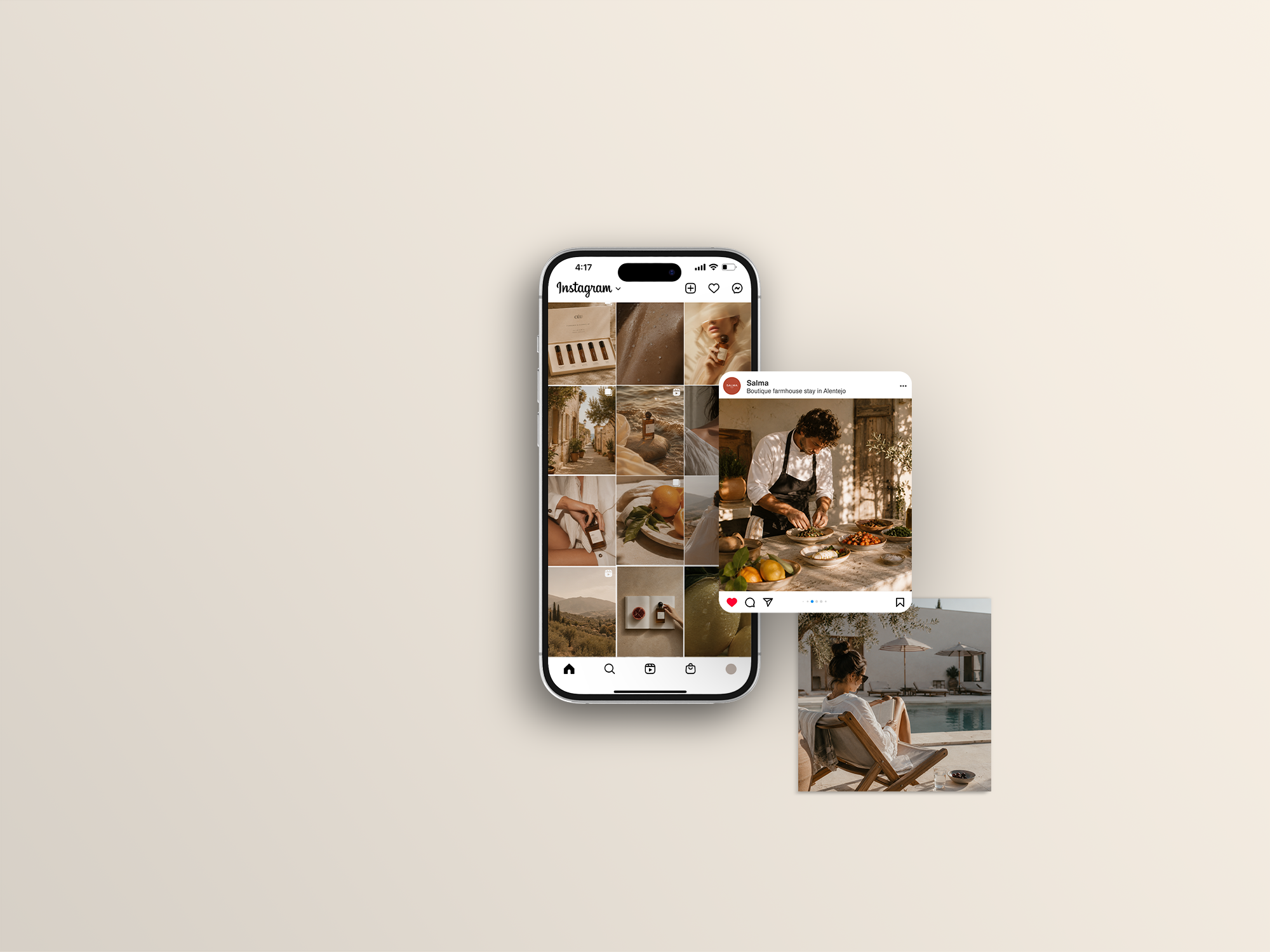
Designing a hospitality brand as an experience-led commerce system.
Caisa Studio Creative Concept
Client: Salma
Boutique Hotel & Culinary Stay, Portugal
The Context.
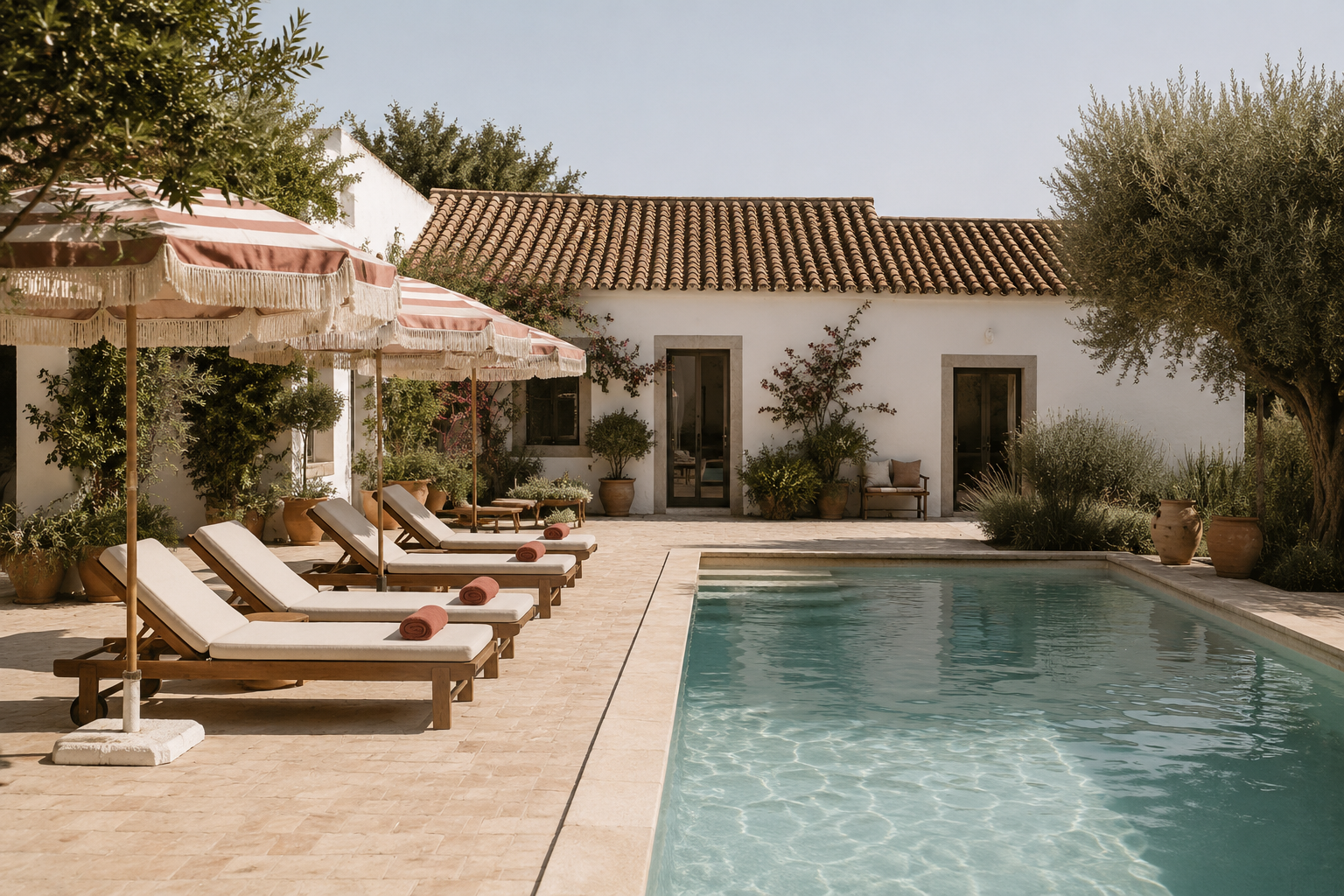
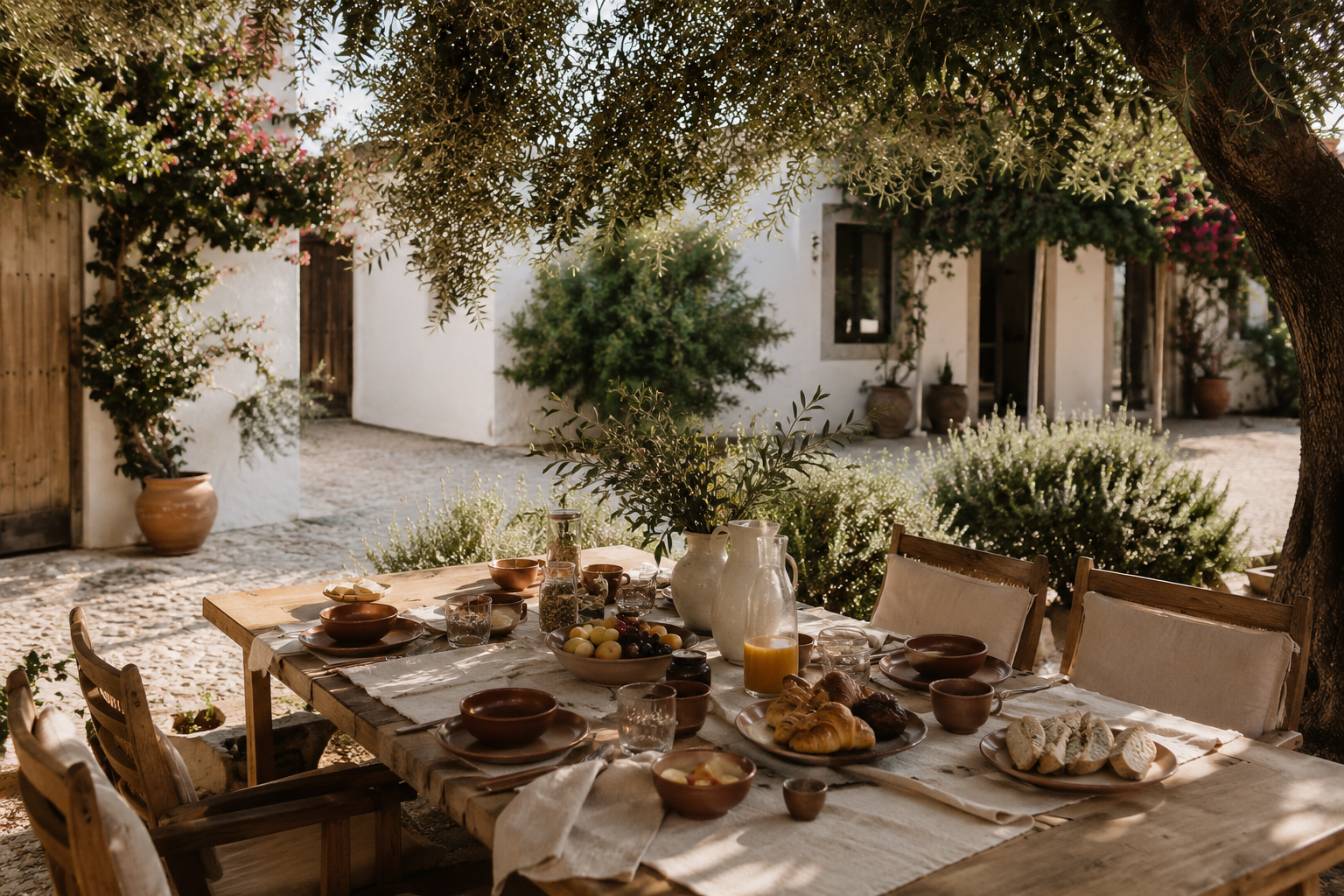
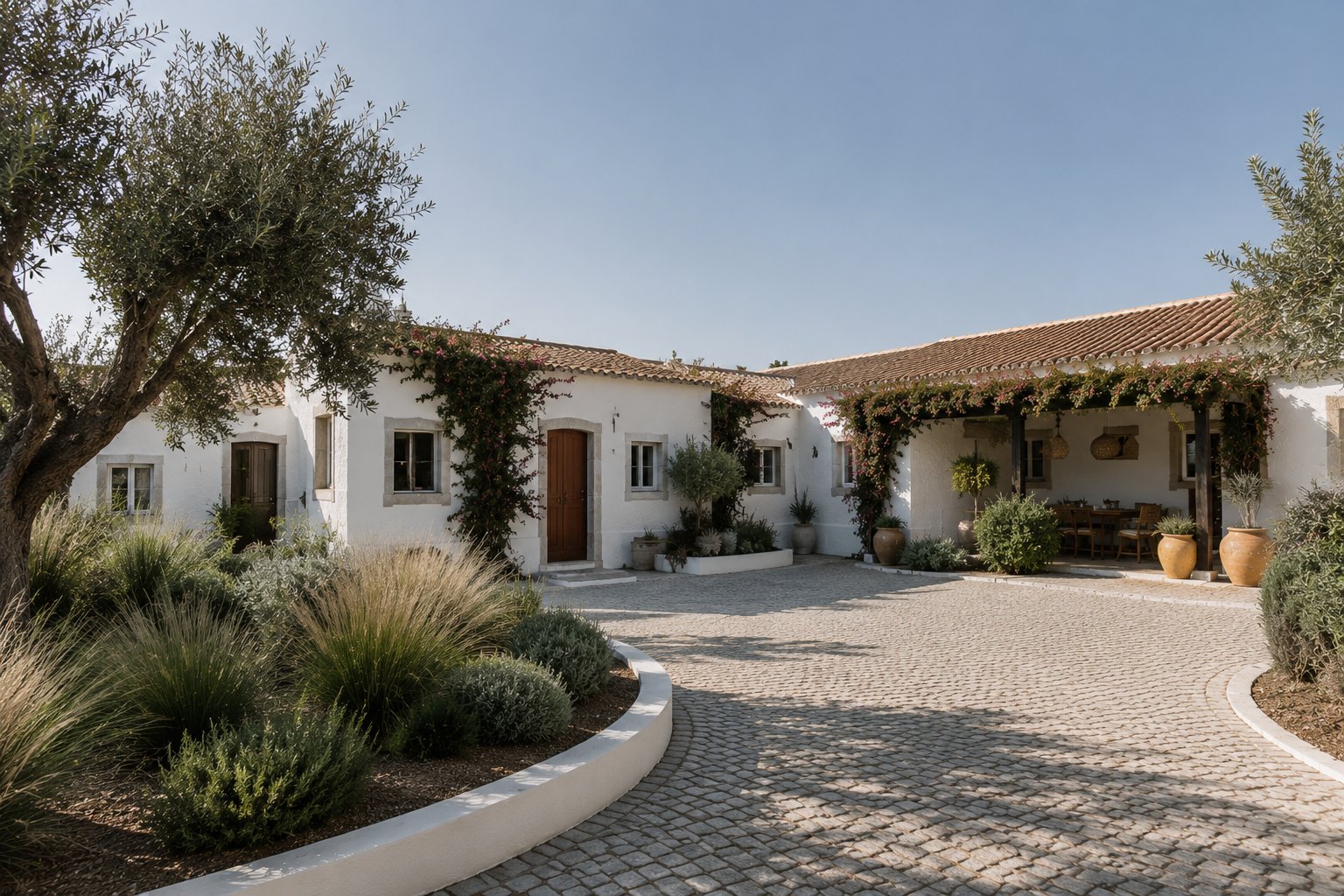
Salma is a conceptual boutique guesthouse set along the Portuguese coast, shaped by a slower, more intentional approach to travel. The experience centres around food, atmosphere and a sense of place, with an emphasis on how guests feel as much as what they do.
Hospitality brands like this often rely heavily on the physical experience. The space, the setting, the details of the stay itself. But increasingly, the relationship with guests begins long before arrival and continues well after departure.
That creates an opportunity, but also a challenge.
How do you translate something inherently physical into a digital experience that not only captures the essence of the stay, but also supports discovery, conversion and ongoing engagement?
The Challenge.
The core tension sat between experience and structure.
On one hand, the brand needed to feel immersive and emotionally driven, allowing potential guests to imagine themselves within the space. On the other, it needed to function clearly as a business, guiding people from discovery through to booking, and potentially beyond.
Without a defined system, hospitality brands can often fall into two extremes. Either the experience is beautifully expressed but commercially unclear, or it becomes overly functional, reducing the brand to availability, pricing and logistics.
At the same time, there was no clear framework for how the brand would extend beyond the stay itself, whether through content, product or repeat engagement.
The Approach.
The focus was on designing Salma as a connected experience, rather than a standalone destination.
This meant thinking about the brand not just in terms of a place to stay, but as something people can discover, engage with and return to over time. The work centred on structuring how the experience is communicated and how different touchpoints contribute to both perception and conversion.
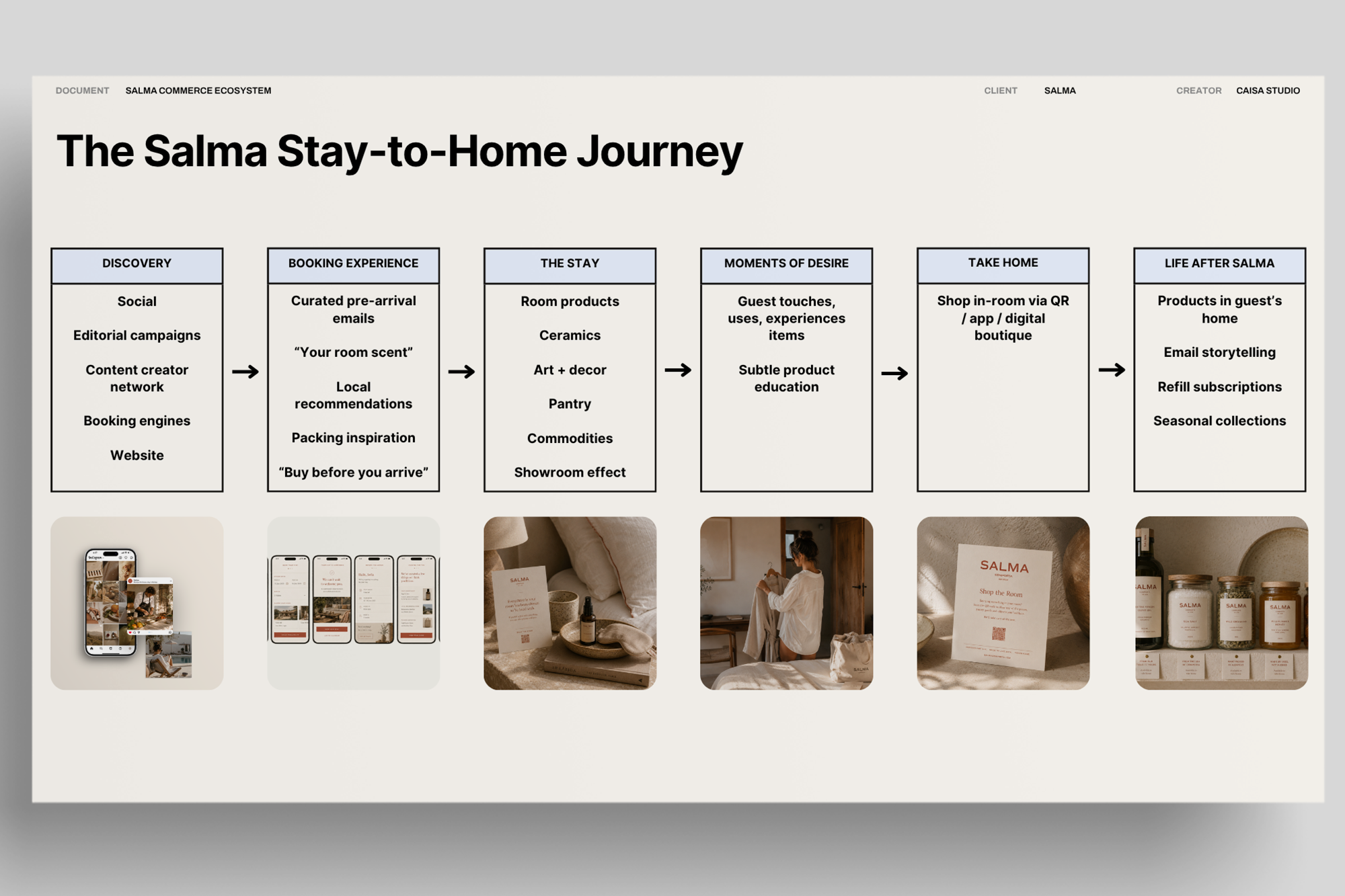
The aim was to create a system where storytelling, booking and commerce are not separate layers, but part of a continuous flow.
What Changed.
[The brand was positioned as a lifestyle, not just a stay]
The starting point was defining how Salma exists beyond the physical space.
Rather than focusing solely on accommodation, the brand was positioned around a broader way of living, shaped by food, ritual and environment. This created a stronger emotional anchor, allowing potential guests to connect with the experience before they ever book.
[The digital journey was designed around experience and conversion]
The booking experience was restructured to feel more aligned with the stay itself.
Instead of treating the website as a transactional step, the journey was designed to move from atmosphere into action, guiding users from exploration into booking in a way that feels natural rather than abrupt. This helped maintain immersion while still supporting clear decision-making.
[Content was introduced as a continuous layer of discovery]
Content was positioned as a way for the brand to exist beyond moments of booking.
Editorial storytelling, behind-the-scenes moments and culinary content were designed to bring the experience to life over time, allowing audiences to engage with the brand even when they are not actively planning a stay. This created a more consistent presence and supported longer-term connection.
[Commerce was extended beyond the stay]
The model was expanded to include product and experience-based commerce.
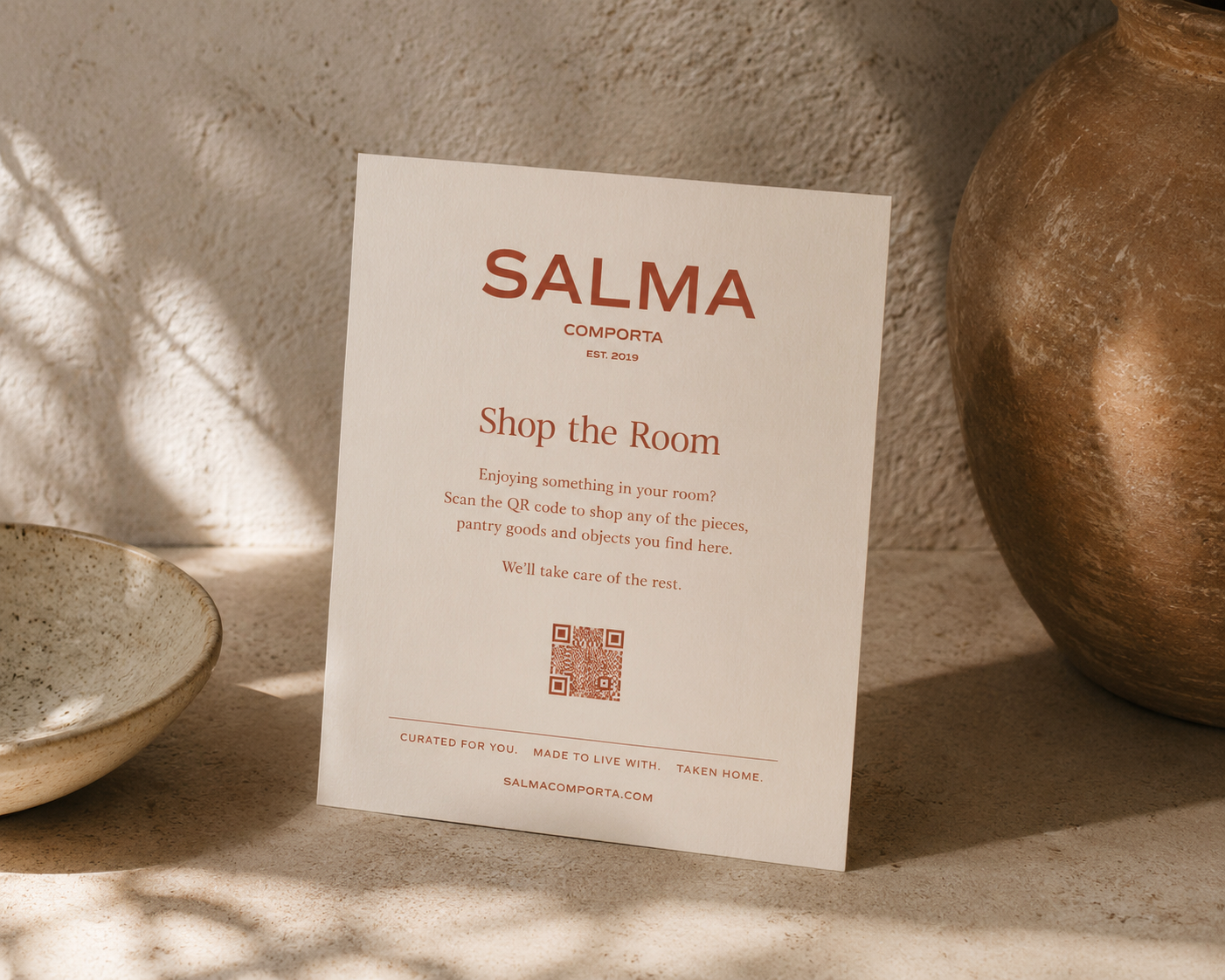
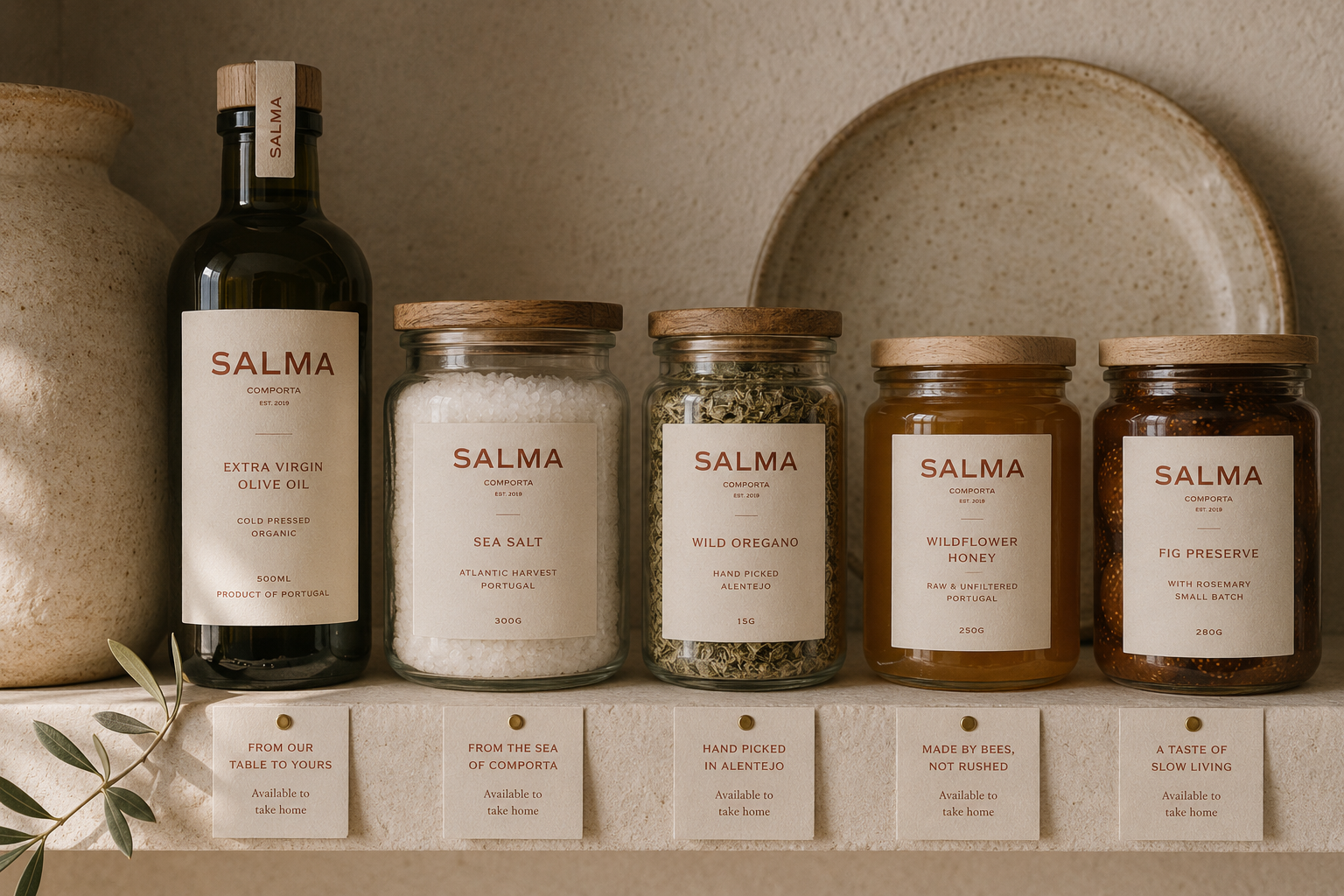
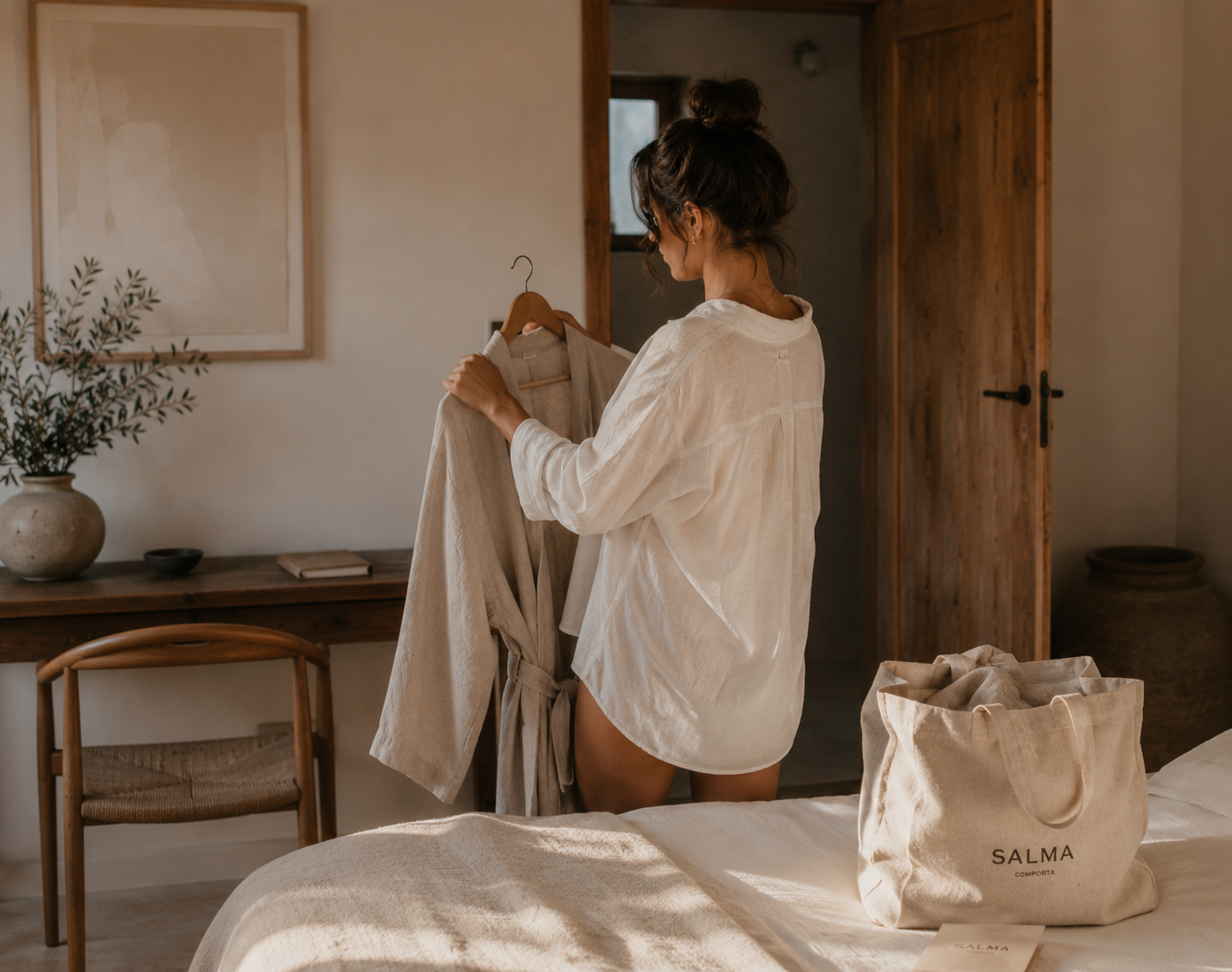
Elements of the stay, such as pantry goods, ceramics and textiles, were introduced as purchasable items, allowing guests to bring aspects of the experience into their everyday lives. This extended the relationship beyond a single visit and introduced additional revenue streams aligned with the brand.
[Live and interactive formats created moments of connection]
Live formats were explored as a way to deepen engagement.
Chef-led sessions, kitchen moments and informal storytelling created opportunities for interaction, allowing the brand to feel more present and human. These formats also acted as a bridge between content and commerce, introducing products and experiences in a more natural way.
What this enabled.
These changes allowed Salma to function as more than a place to stay.
The brand became something people could discover, engage with and return to, whether through content, product or future visits. The relationship with the audience extended beyond the booking itself, creating more touchpoints through which value could be built over time.
At a commercial level, this introduced a more flexible model, where revenue is not limited to occupancy, but supported by a wider ecosystem of experiences and products.
Strategic Contribution
This project explored how hospitality brands can move beyond a purely transactional booking model and operate as experience-led commerce systems.
By structuring how the brand shows up across content, digital experience and product, the work demonstrates how hospitality can extend into something more continuous, where discovery, engagement and purchase are intentionally connected.
Scope.
Brand positioning and messaging
Naming and storytelling framework
Digital journey and booking experience design
Content and editorial direction
Product and commerce concept
Live and interactive format ideas
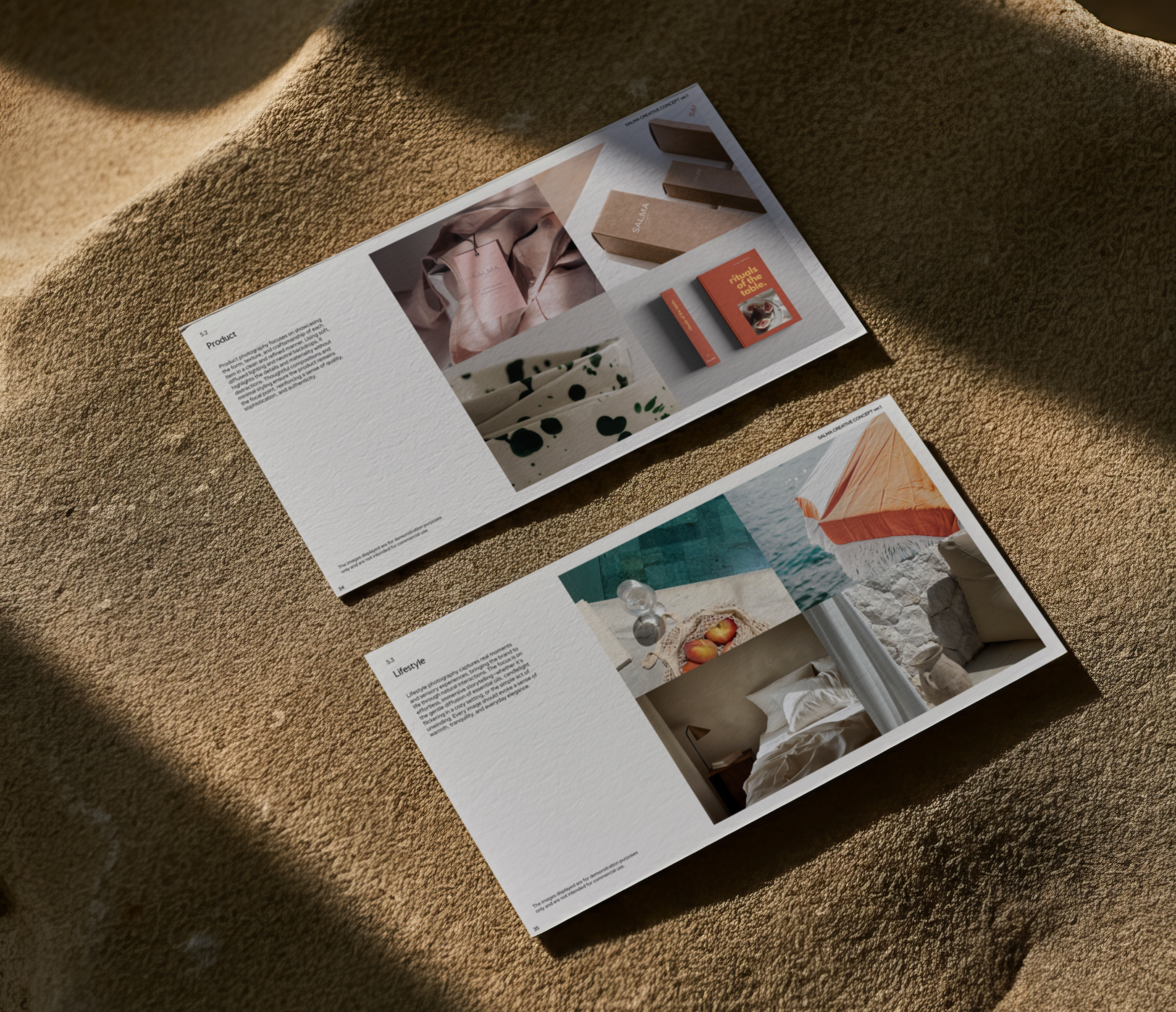
Visual direction and moodboards
Interested in working together?
If you’re exploring how to bring more clarity and momentum to your growth strategy, you’re welcome to get in touch. I work with founders and teams to step back from day-to-day activity and reconnect brand, marketing and commerce into a more cohesive growth system. If you’re navigating a period of change, looking to unlock the next stage of growth, or simply want an experienced perspective on where to focus next, a short conversation is a good place to start.