Designing a sensory product brand as a clear, content-led commerce system.
Caisa Studio Creative Concept
Client: cèu
Boutique Fragrance Brand, Spain
The Context.
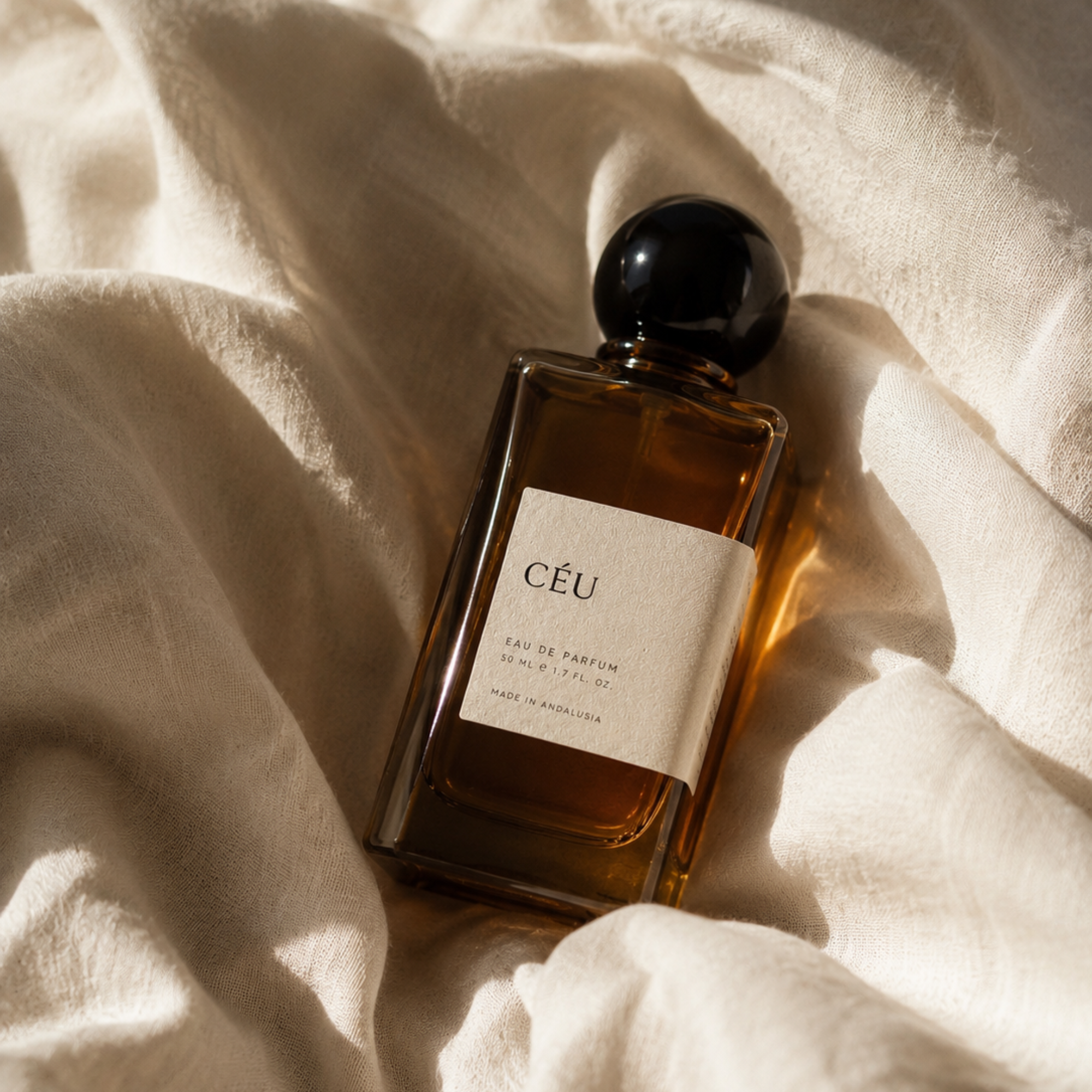
cèu is a conceptual fragrance brand rooted in the idea of slowness.
The product is intentionally minimal. Small-batch scents, inspired by memory, ritual and place, designed to feel personal rather than performative. The kind of brand where the appeal sits as much in how it feels as in what it is.
That creates a particular challenge online.
Fragrance is inherently sensory, but digital environments tend to flatten that experience. Without structure, brands like cèu can lean heavily on aesthetic, while leaving customers uncertain about what they are buying or why it matters.
The question was how to translate something so intangible into a digital experience that still feels grounded, while also supporting clear and confident purchasing.
The Challenge.
The tension sat between atmosphere and clarity.
On one hand, the brand needed to preserve a sense of softness and restraint, allowing space for interpretation and emotional connection. On the other, it needed to function commercially, giving customers enough structure to understand the product, navigate the range and make a decision.
Without that balance, there is a risk that the experience becomes either overly abstract or overly functional, neither of which supports conversion particularly well.
At the same time, there was no defined system for how the brand would be discovered, how interest would build over time, or how different touchpoints would work together to guide someone from first encounter to purchase.
The Approach.
The work focused on introducing structure without losing subtlety.
Rather than layering on more content or complexity, the aim was to define a clearer system for how the brand communicates and how customers move through it. This meant looking at the full journey, from discovery through to purchase, and shaping each stage so that it feels considered, intuitive and aligned with the brand’s tone.
The objective was not to simplify the brand, but to make it easier to understand, so that the emotional and sensory elements could support, rather than obscure, the commercial experience.
What Changed.
[The brand was anchored in a clearer position]
The starting point was defining how cèu exists within its category.
Rather than leaning solely on aesthetic or mood, the positioning was shaped around the idea of ritual and personal connection, giving the brand a clearer role in the customer’s life. This created a stronger foundation for both storytelling and product understanding.
[Messaging was structured to guide, not overwhelm]
The way the brand communicates was simplified and ordered.
Instead of presenting all elements at once, messaging was organised into a clearer hierarchy, allowing customers to move naturally from atmosphere into understanding. This helped maintain a sense of softness, while making the experience easier to navigate.
[The product experience was reworked for clarity]
Fragrance can be difficult to communicate digitally, particularly without physical interaction.
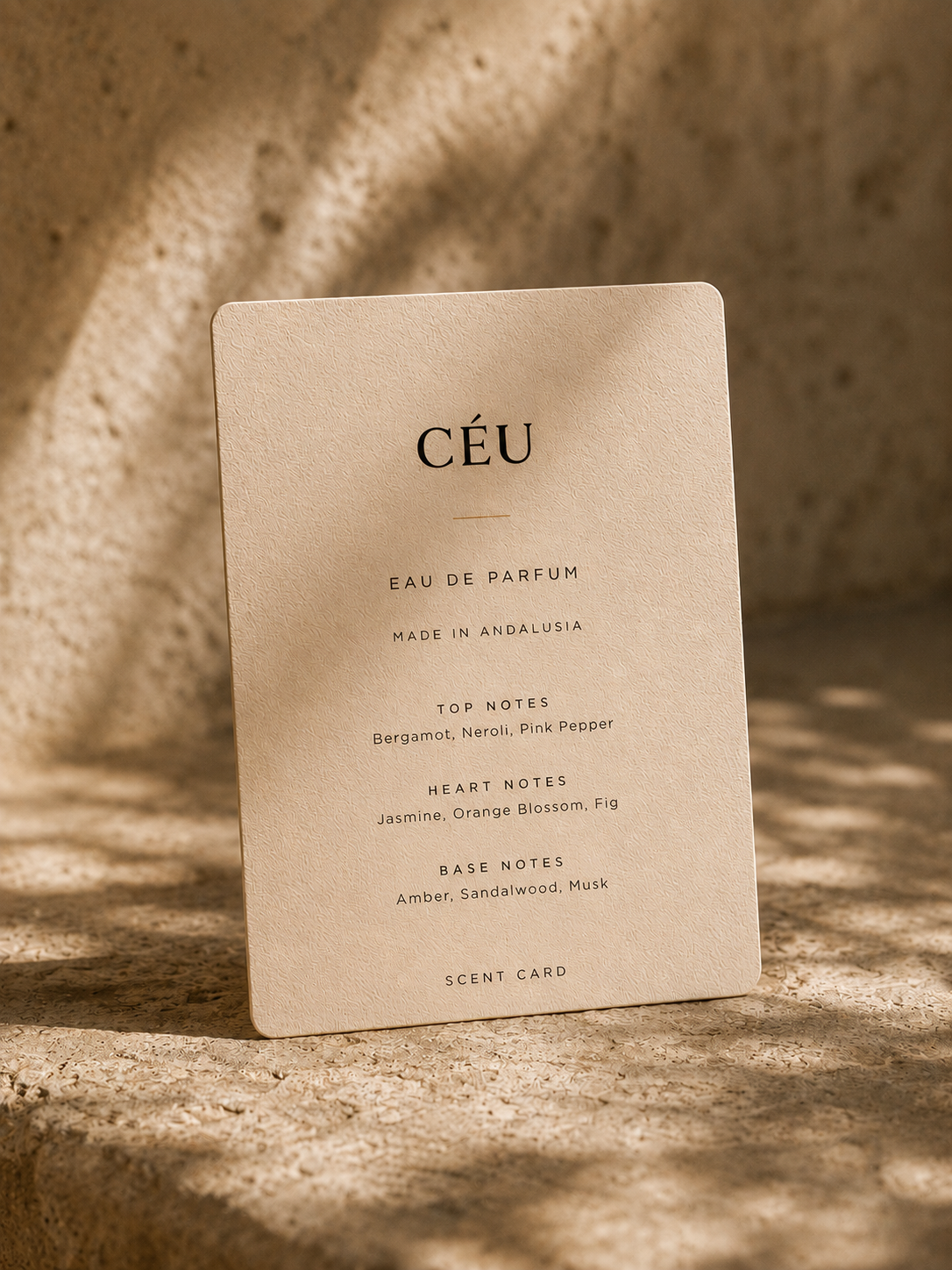
The product pages were therefore designed to balance sensory storytelling with practical detail, combining evocative descriptions with clearer cues around notes, usage and context. The aim was to reduce uncertainty without losing the emotional quality of the brand.
[Content was designed to build familiarity over time]
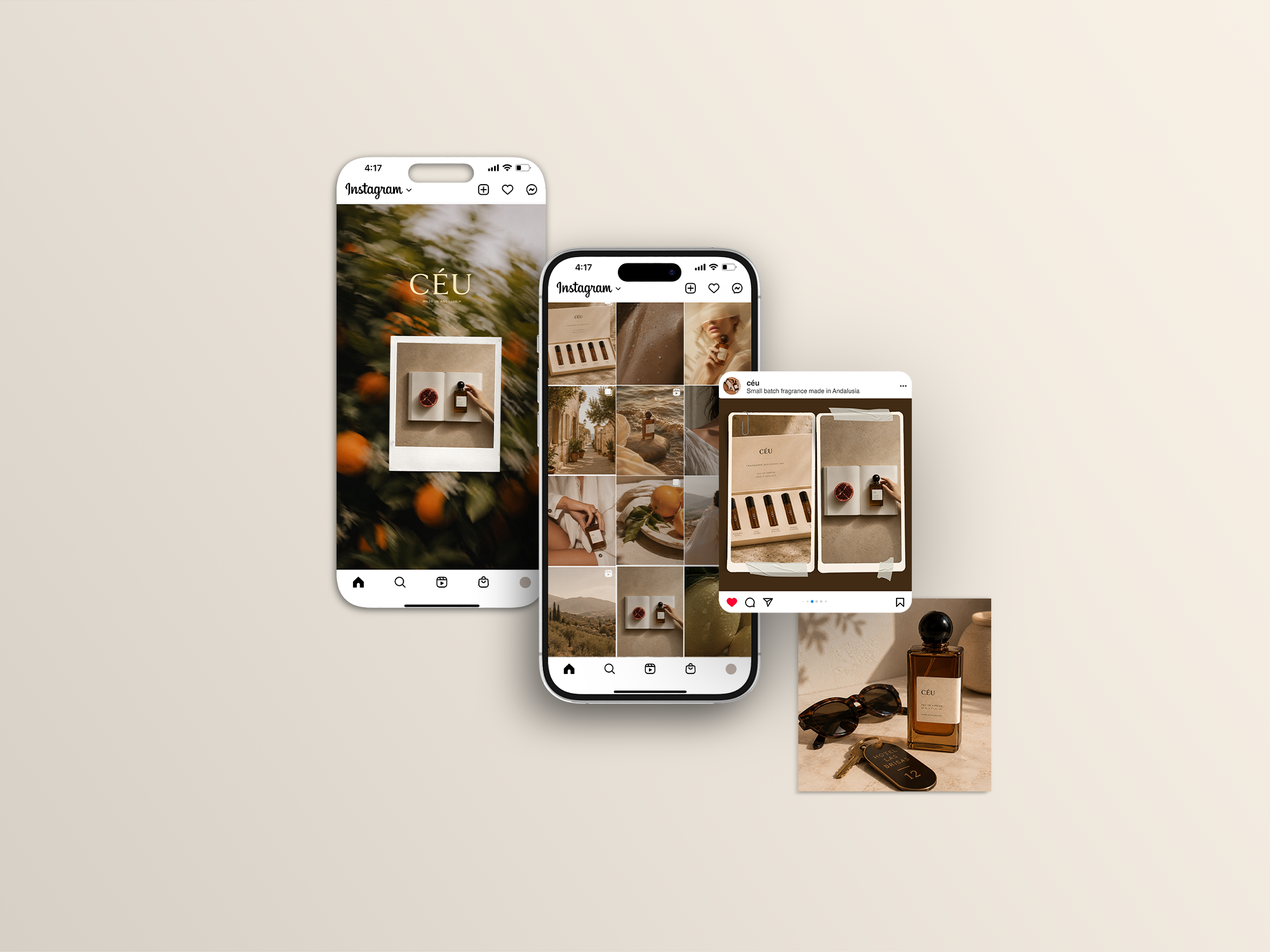
Rather than relying on isolated moments, content was structured as an ongoing system. Editorial formats, rituals and storytelling themes were introduced to create continuity, allowing customers to engage with the brand gradually. This helped shift the experience from a single interaction to something more cumulative.
[Live and interactive formats were explored as an extension of the brand]
Live experiences were introduced as a way to bring a more human presence into the brand.
These moments allowed fragrance to be explained, contextualised and discussed in real time, helping bridge the gap between physical and digital interaction. They also created opportunities for deeper engagement, particularly for customers already familiar with the brand.
What This Enabled.
These changes introduced a clearer sense of structure across the brand.
Customers were able to move more easily from discovery into understanding, and from understanding into purchase, without losing the sense of atmosphere that made the brand distinctive in the first place. The experience felt more intentional, with each touchpoint contributing to how the brand is perceived and how decisions are made.
Over time, this kind of structure supports not just conversion, but consistency, allowing the brand to build recognition and trust in a way that compounds.
Strategic Contribution.
This project focused on how sensory, aesthetic product brands can operate more clearly in a digital environment.
By introducing structure across positioning, messaging and experience, the work demonstrates how brands can maintain emotional depth while also functioning commercially. It reflects a broader approach to modern commerce, where clarity and feeling are not in opposition, but designed to work together.
Scope.
Brand positioning and messaging framework
Voice and storytelling direction
Product experience and e-commerce journey design
Content and editorial system
Live and interactive experience concepts
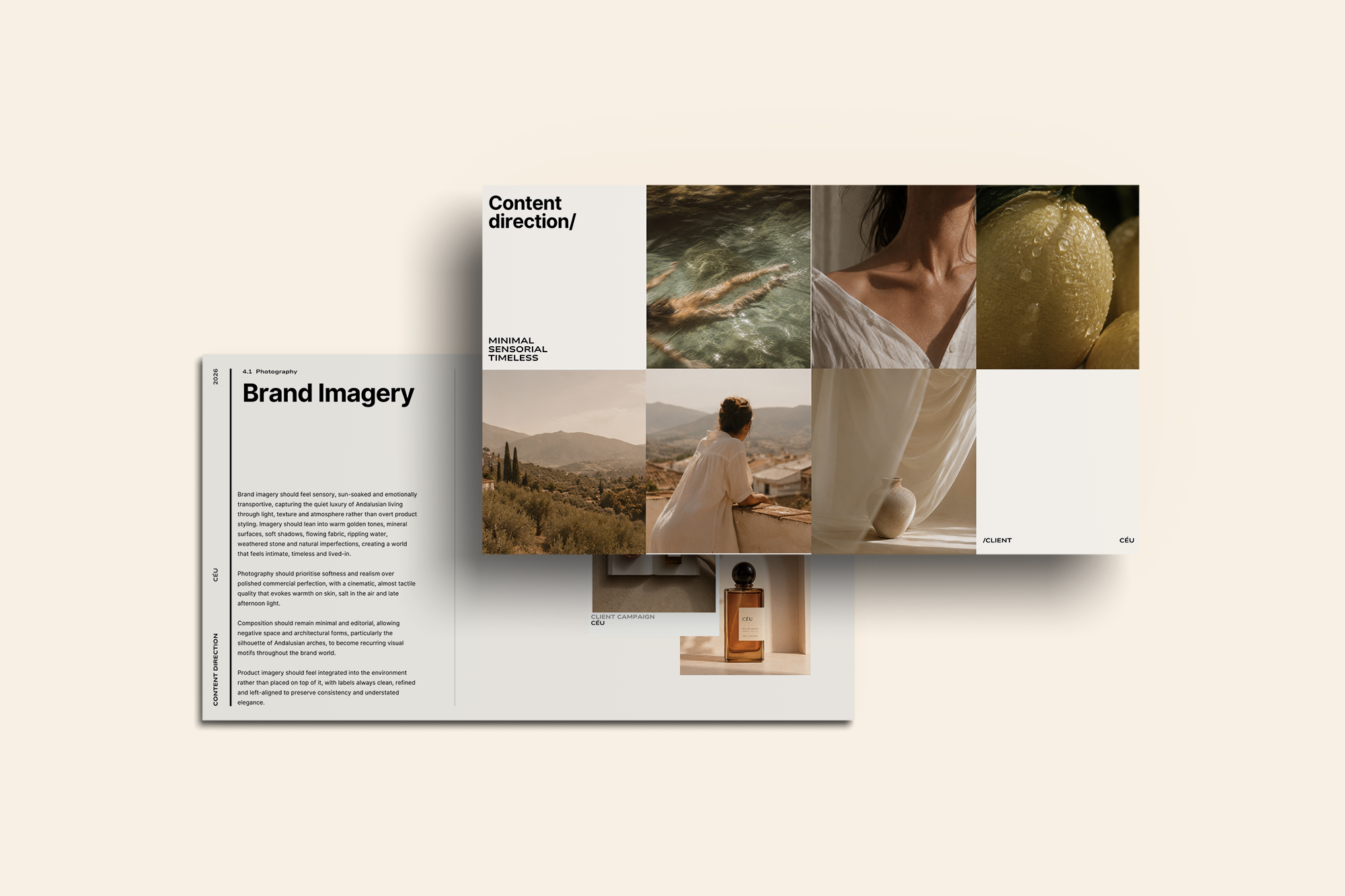
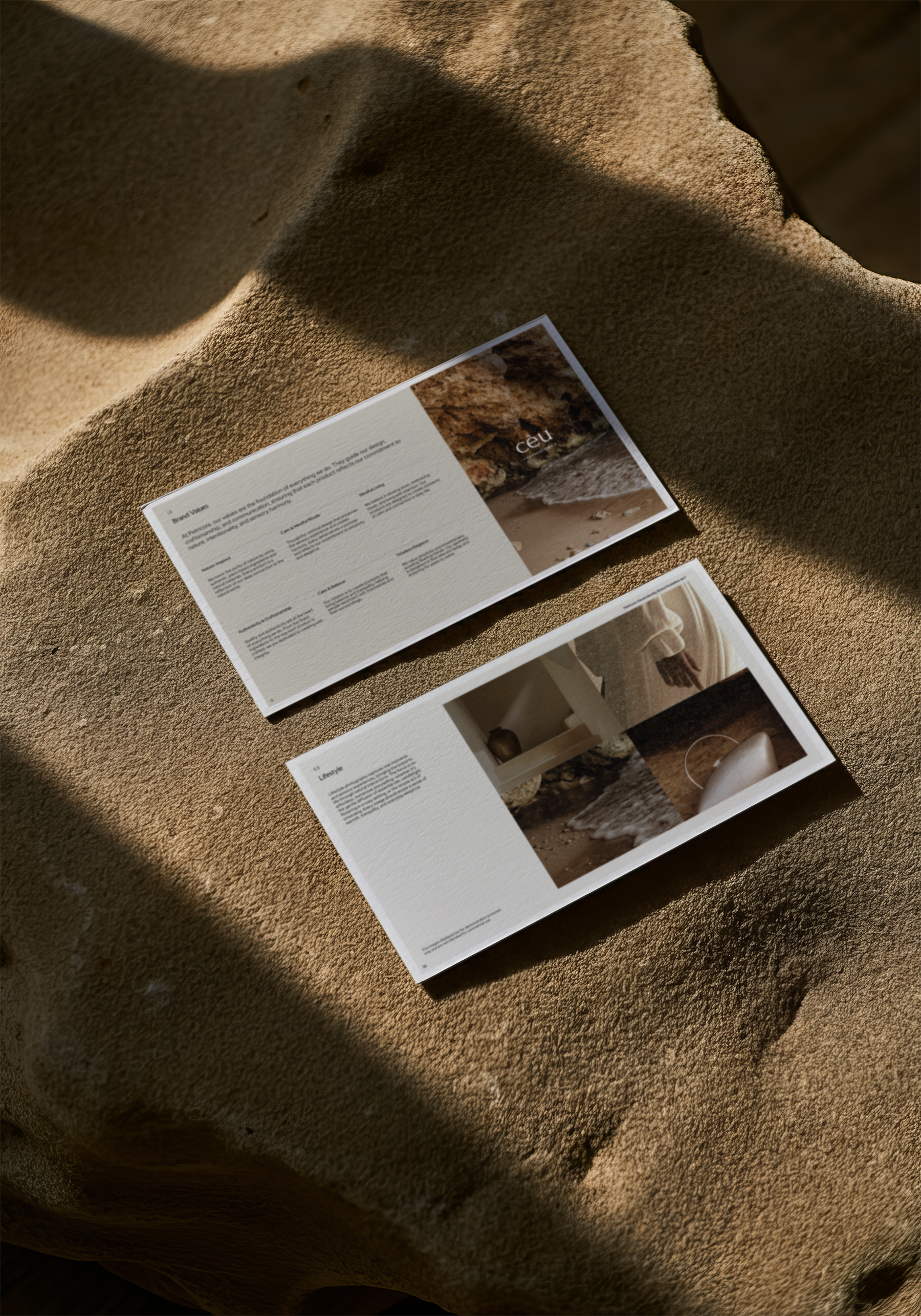
Visual direction and moodboards
Interested in working together?
If you’re exploring how to bring more clarity and momentum to your growth strategy, you’re welcome to get in touch. I work with founders and teams to step back from day-to-day activity and reconnect brand, marketing and commerce into a more cohesive growth system. If you’re navigating a period of change, looking to unlock the next stage of growth, or simply want an experienced perspective on where to focus next, a short conversation is a good place to start.